
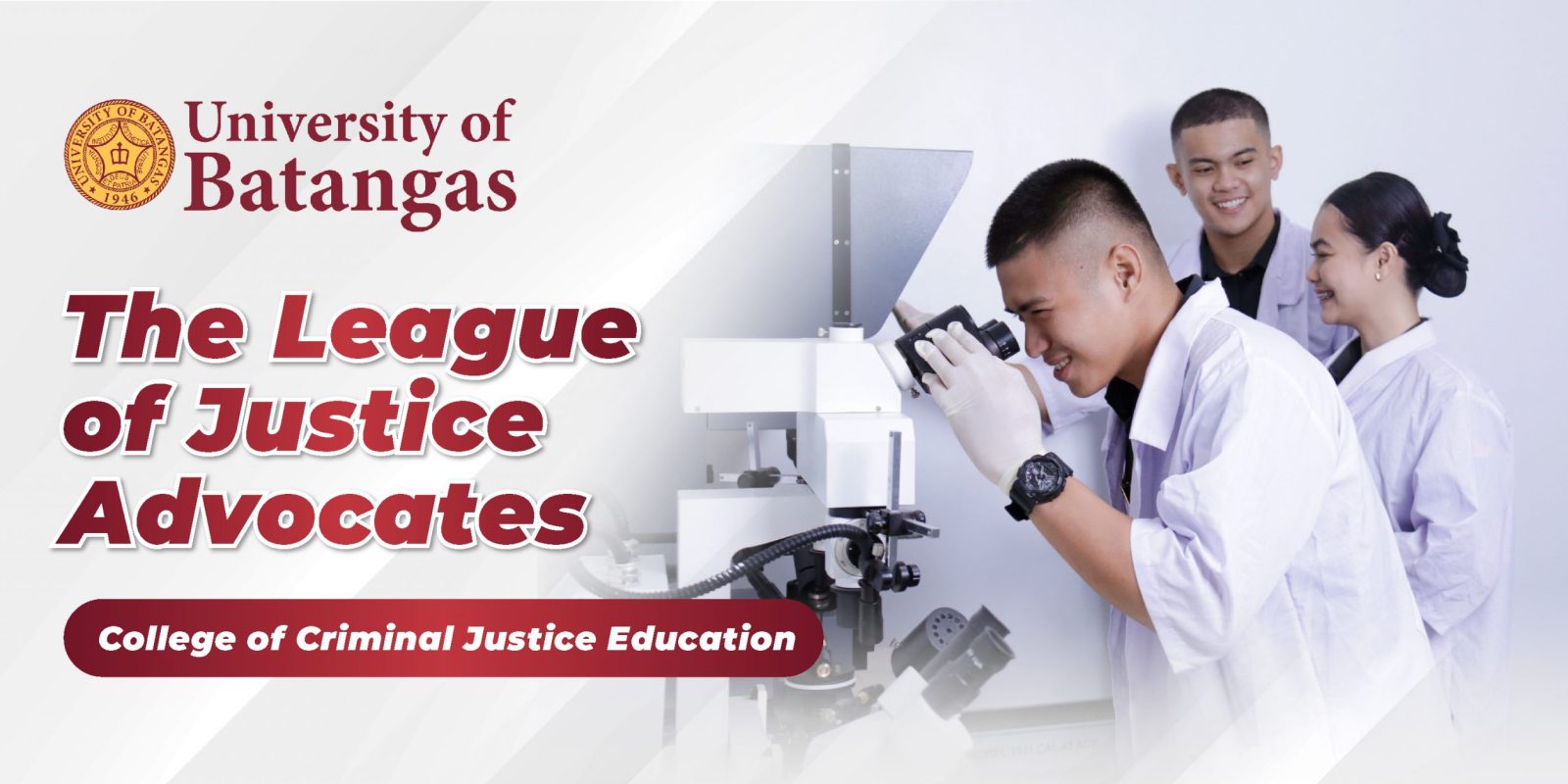
The University of Batangas (UB) cemented its status as a powerhouse in criminal justice education after securing the Rank 1 Top Performing School spot in the CALABARZON and MIMAROPA regions. The Professional Regulation Commission (PRC) released the results of the February 2026 Criminology Licensure Examination on March 13, 2026, confirming UB’s leadership in the field.
The Professional Criminologists’ Association of the Philippines – Integrated Association of Professional Criminologists (PCAP-IAPC) Region IV Council officially recognized the university for this feat. UB achieved an impressive 82.50% passing rate, significantly surpassing the national passing average of 66%. This performance highlights the rigorous training and academic excellence fostered within the UB College of Criminal Justice Education (CCJE).
33 graduates successfully navigated the licensure hurdles to earn the title of Registered Criminologist (RCrim). These new professionals now join the ranks of the country’s defenders, equipped with the ethical standards and technical skills necessary for modern law enforcement.
UB proudly recognizes the following successful examinees: Windell C. Angulo, Jay R. Ardales, Daisy Rose T. Barte, Cherlene G. Bejasa, Abdel Waris D. Bongaros, Christian Edmund L. Calabia, Joven J. Carandang, Jericho D. Clerigo, Renz Ryan C. Daing, Mark Angelo E. De Torres, Wenard E. Dimaano, Kyla Mae I. Doringo, Randall Escobio, Margielyn C. Frago, Daniela Marie V. Guerra, Queen Jean M. Gutierrez, Michaela Raven R. Landicho, John Russell S. Limbo, Carl Jaysen Limos, Lorejean A. Manimtim, Lovely Jean Manimtim, Ella Lorienne A. Mercado, Juan D. Morcilla, Christian Joi P. Nucum, Kaidence Bethea A. Ong, Justine Ahl M. Ormido, Lei Christine G. Ramirez, Jhabar A. Rebugar, RJ Joseph Reyes, Joseph Anthony G. Ross, Angelo A. Sangalang, Gerzon Kyle B. Talamante, and Kian Ri D. Villaseran.
The success of the UB CCJE reflects the university’s dedication to the United Nations Sustainable Development Goals (SDGs), ensuring that its institutional growth contributes to global peace and stability.
By maintaining high board exam performance and providing top-tier criminal justice training, the university advances SDG 4: Quality Education, ensuring that graduates possess the competencies required for professional certification and effective service. Furthermore, the addition of 33 licensed criminologists to the national workforce supports SDG 16: Peace, Justice, and Strong Institutions. These new professionals play a vital role in upholding the rule of law, reducing violence, and strengthening the judicial and enforcement institutions necessary for a safe and just society.